Have you ever had one of those moments where you question every choice you have ever made? Like, why did I buy glow-in-the-dark socks? Or, why am I sitting in a soul-sucking exam hall answering questions even Google would refuse to answer?
It was the final exam of my 2nd year of university. A time when existential crises are supposed to be reserved for picking today's Spotify playlist, not for questioning your entire education.
I sat there, pen poised dramatically over paper, and realized the questions in front of me were about as connected to real life as a sloth is to speed dating. Every tick of the clock was a reminder of the time I could have spent doing something meaningful. Like learning to yodel. Or making tiny sushi hats for cats.
As I wrote my final answer, it hit me:
I was spending my prime years memorizing things I couldn't imagine reciting even to win Taco Tuesday pub quiz night. Years of my life, invested in a system that had nothing to do with my values or the life I wanted.
I put down my pen and felt disgusted. I had spent the last 2 weeks, and by extension the last 2 years, studying for a 2-hour exam I couldn't connect to anything that would help me in life. This wasn't a bad day at school. This was a full-blown misalignment of my cosmic purpose.
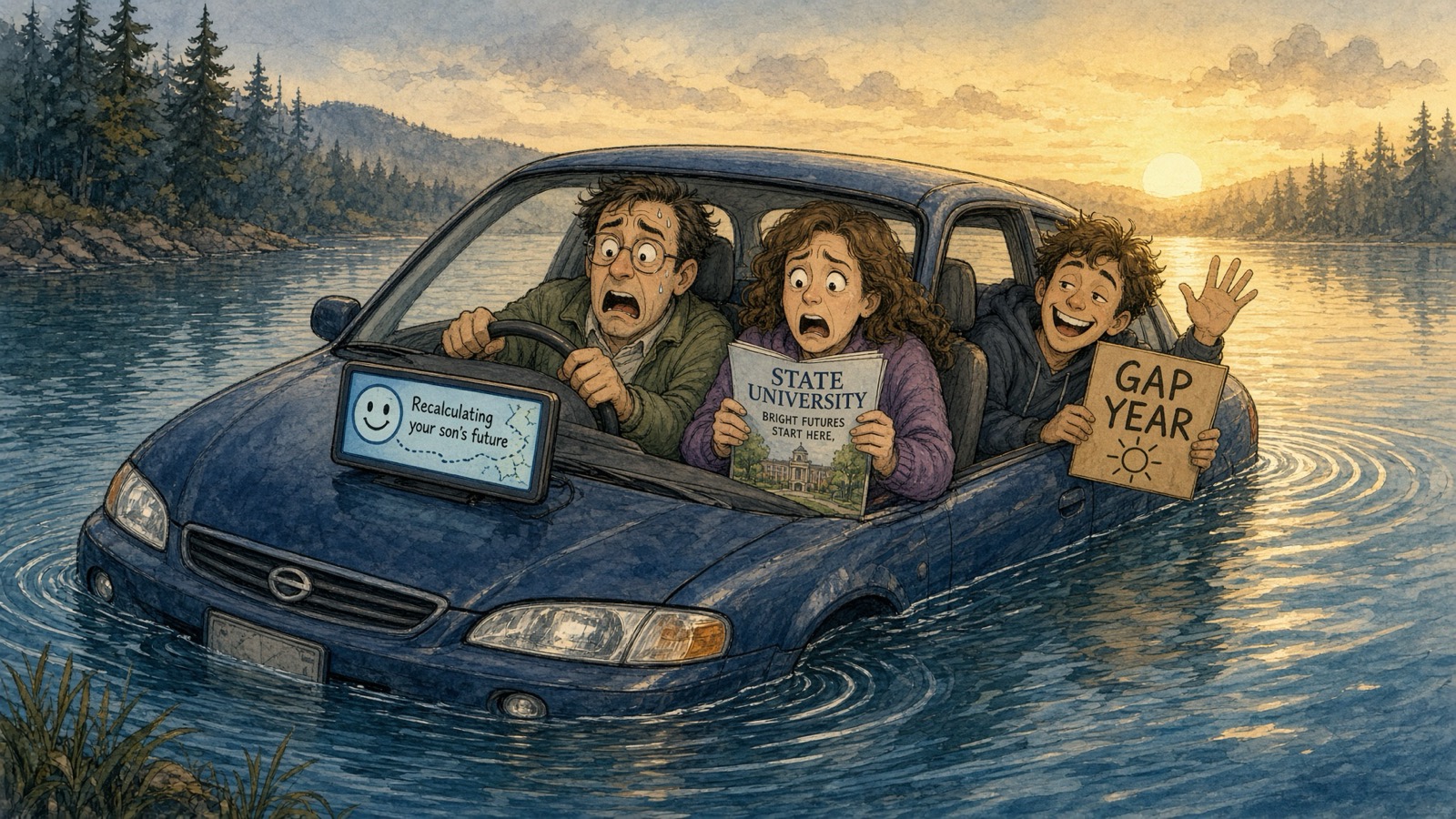
If you've ever told your parents you're taking a gap year, you know the look. It's the look you'd give your GPS if it calmly said "turn left" and then drove you into a lake.
Why was I trying to fit a mold built for someone else? Someone who presumably enjoyed essay prompts like:
"Elaborate on the philosophical implications of watching paint dry. What does this activity teach us about the nature of time, human suffering, and why your dumb*ss is sitting in this chair answering this question?"
In that moment, I decided I would not spend 1 more ounce of attention or energy on something I didn't believe in. I would take a gap year and work directly toward my goals. Not tomorrow. Not after graduation. Now.
Walking out of that exam felt like the end of an action movie, the hero strolling away from an explosion, cool and collected. Except I looked less like an action hero and more like a disheveled, ecstatic raccoon who had just found an unlocked dumpster. I skipped down the street grinning ear to ear (skipping in public is generally frowned upon unless you're under 10 or in a musical, but I didn't care). I had never felt so free or so light. Freedom never smelled so sweet, with a light hint of library dust and anxious panic.
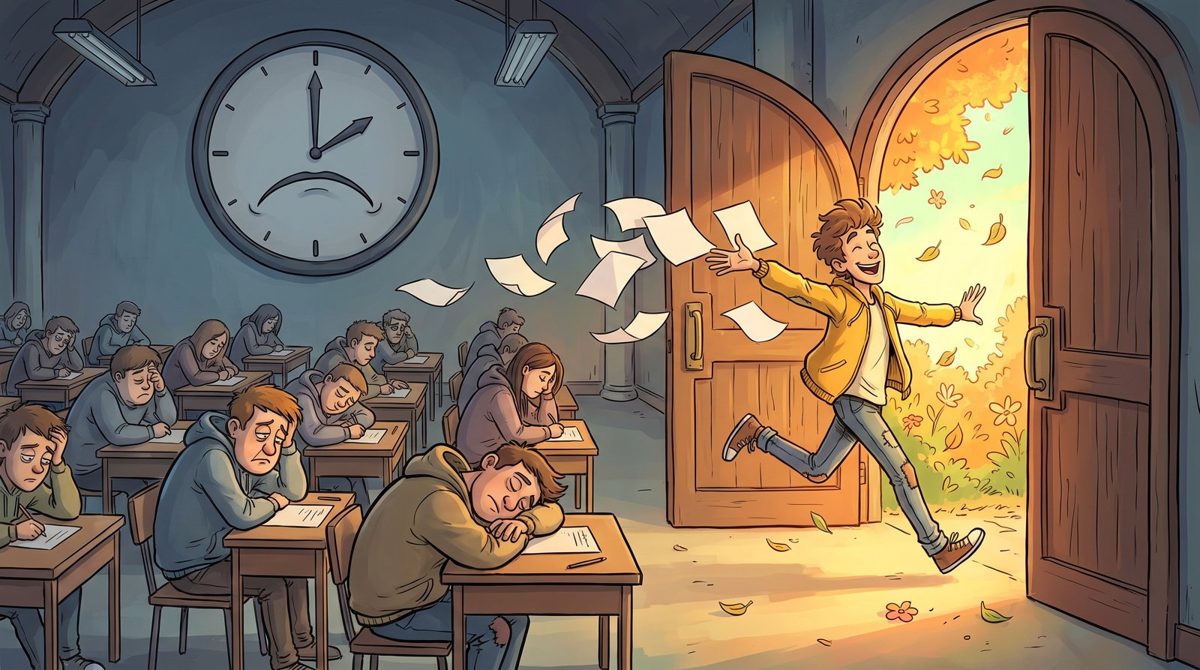
I didn't just walk out of a room. I walked out of a version of myself that was living by rules I no longer believed in.
And yet, as you'll see, walking out was the easy part.
Why Should You Care?
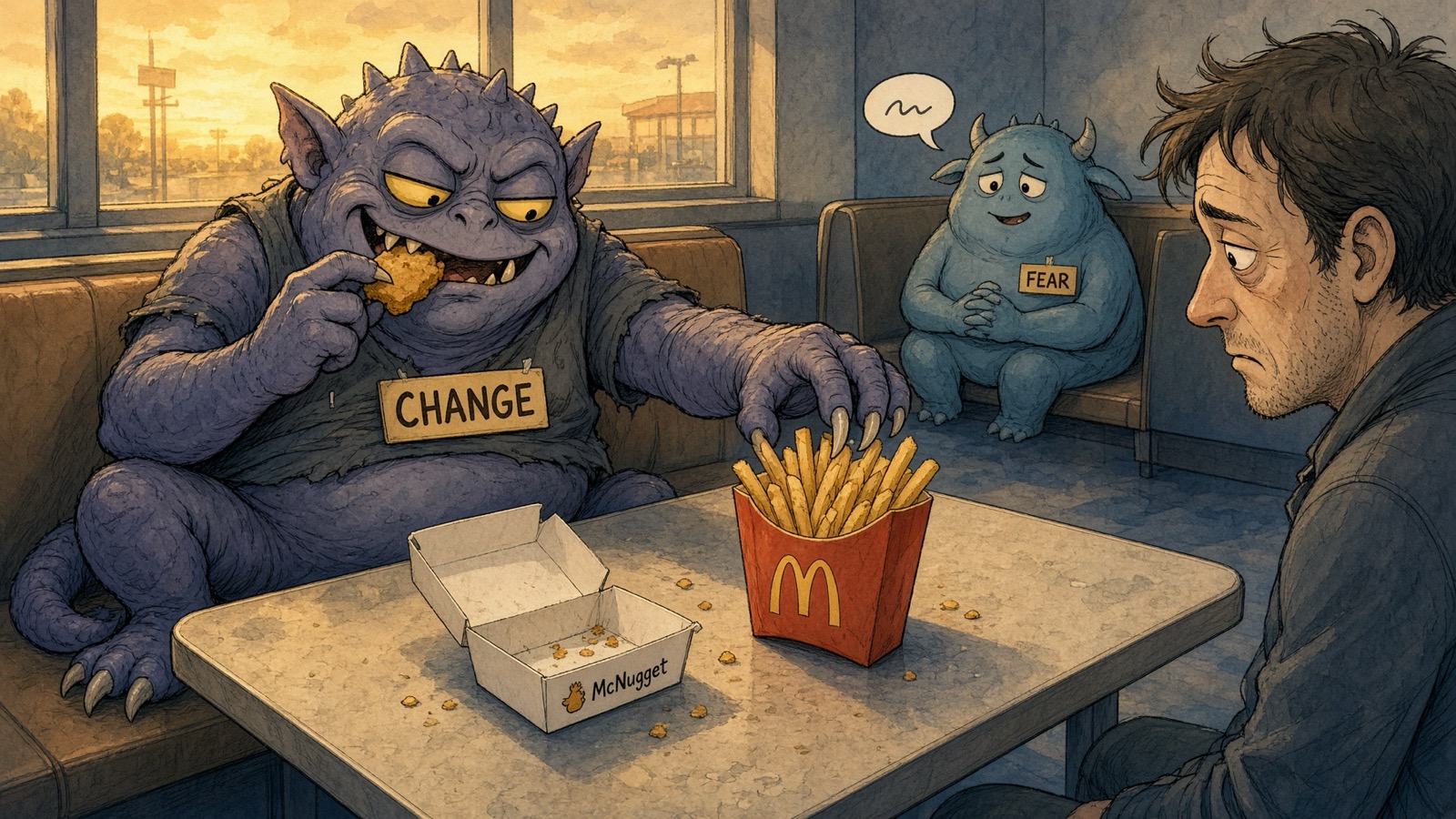
At the end of the last chapter, I said Change is even more of a b*tch than Fear. Fear steals your last McNugget. Change makes you work your whole life for that McNugget and then eats it in front of you. Slowly. While making eye contact. And then asks if you're going to finish your fries.
Here's why it's worth the fight anyway.
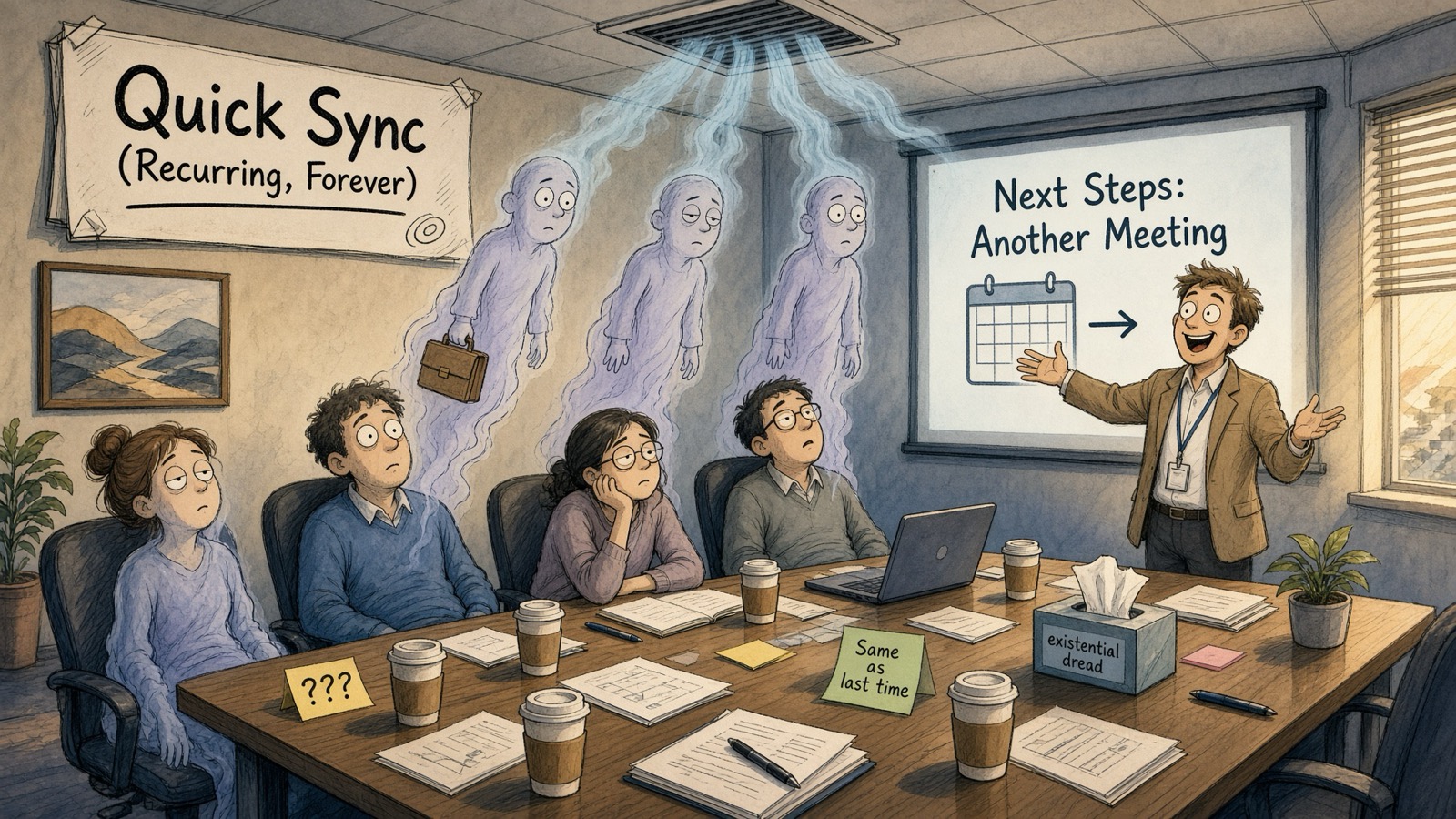
Picture yourself 5 years from now. You didn't change anything. You stayed in the river of life, swimming in a race someone else designed. You go to the job you dread, sit through meetings as useful as an ejector seat on a helicopter, and tell yourself "next year" for the 5th year in a row. Your calendar is so full of "quick syncs" that the only thing actually syncing is your soul quietly leaving your body.
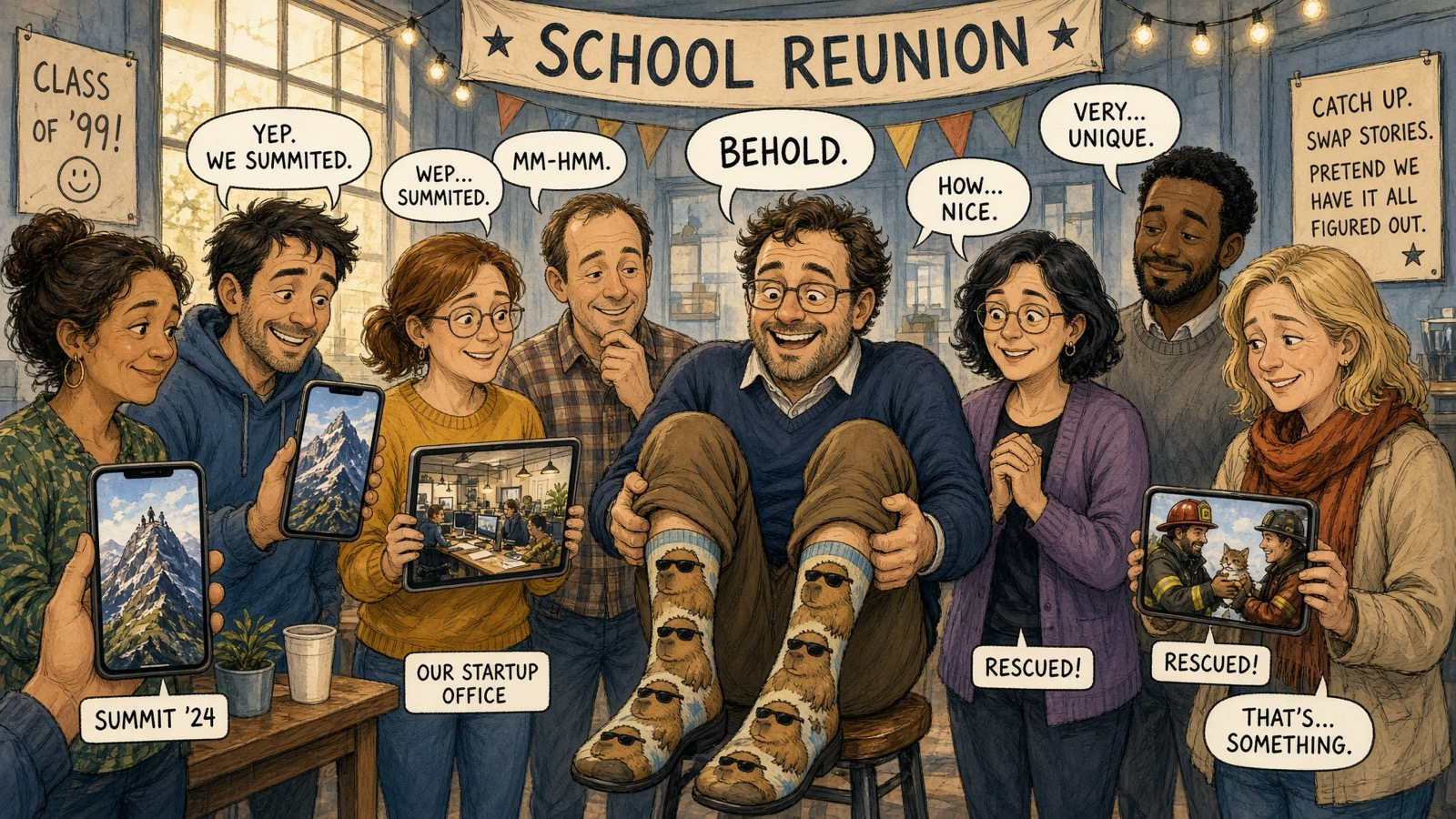
You're at a reunion. Your friends are sharing stories about the businesses they started, the mountains they climbed, the kittens they rescued from burning buildings. And you're over here like, "Well, I've got socks with tacos on them. And ones that glow in the dark. Did I mention the ones with tiny capybaras wearing sunglasses?" And everyone nods politely, the way you nod at a toddler explaining their drawing of a horse that is clearly a potato.
Now fast forward to retirement. Your highlight reel is a perfect attendance record and finally learning not to burn toast. Your biggest regret? Never having the guts to quit and start that alpaca farm.
Remember the regrets of the dying from Chapter 1? One of them was "I wish it hadn't taken me so much time to change."
Without change, your comfort zone becomes a prison, your potential stays untapped, and your legacy is a gravestone that reads: "Mildly Interesting Sock Collection."
Change isn't a nice-to-have. It's the only thing standing between you and a life as thrilling as the philosophical implications of watching paint dry.
Demystifying Change
Growing up, most people told me 2 things: "change is hard" and "people don't change."
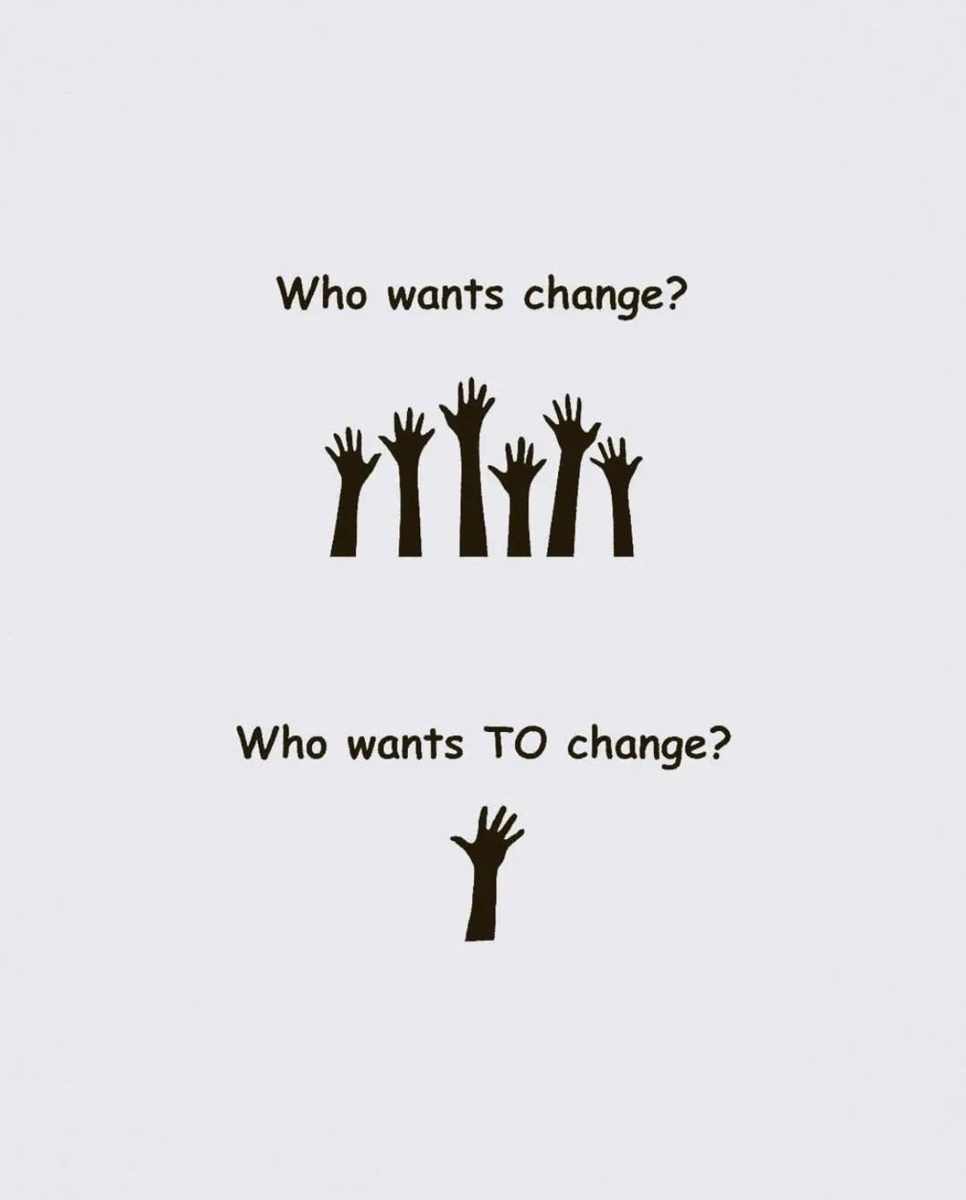
I agreed with the first one. I completely disagreed with the second. People change all the time. They just rarely change the way they planned to, on the schedule they planned to, for the reasons they told everyone at New Year's.
"You only change through suffering. Otherwise, why would you change? It's working!" Peter Holmes
My breakthrough in that exam hall taught me a fundamental truth: change mostly starts from pain. Discomfort. A deep unease with the way things are that pushes you to do better.
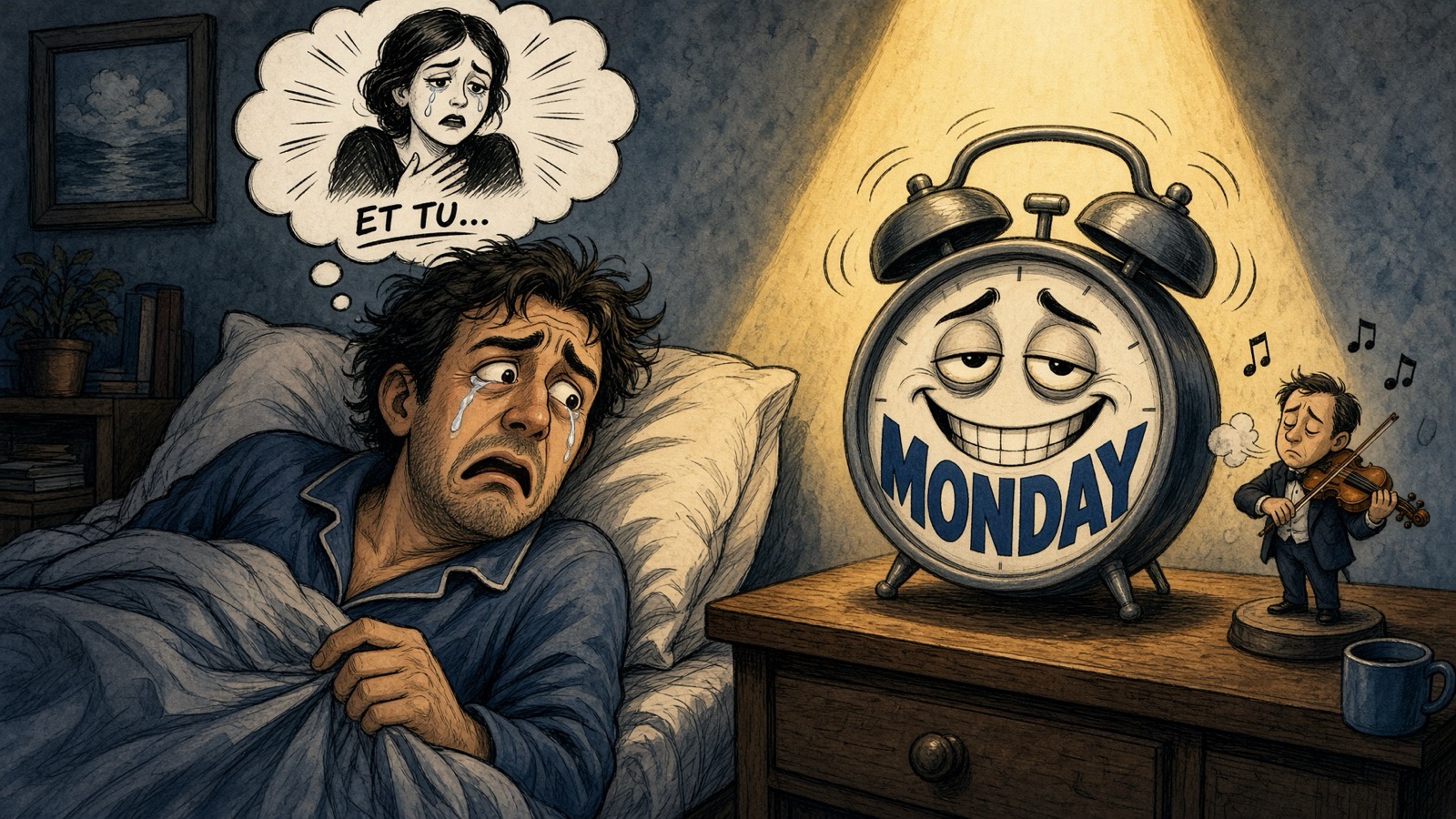
You don't need to hit rock bottom first. Rock bottom is when you introduce your new spouse to your parents and find out they've been cheating on you with both of your parents, separately, which is why your parents just got divorced, and now you will too. Change can start long before that. It can start with something as small as your alarm going off and you feeling genuinely disappointed that it's another Monday.
Here's the rule I've watched play out in my own life and in the life of every person I've coached:
People change when the perceived pain of staying the same outweighs the perceived pain of changing.
Discipline can trigger change. Inspiration can trigger change. But nothing gets our brain-powered butts moving faster or more reliably than pain. The dull throb of dissatisfaction. The sharp pang of knowing you're living someone else's life.
And I've found something else to be true:
We will hold onto pain until we find something we value more than the pain.
The moments in my life with the most physical or emotional pain became my most powerful reasons to change. I learned to turn my worst days into my best days by being grateful for how that pain pushed me to do better things and become a better person.
"Growth is rarely accompanied by joy and celebration. On the contrary, growth is usually painful to some degree. That's because growth requires loss. Loss of your old values, your old behaviors, your old loves, your old identity. Change always has a component of grief to it, so be sure to let yourself grieve." Mark Manson
So if you've read this far in the guide, set your goals, faced the shortness of your life, fear-set your way through the scariest parts, and you still haven't changed anything? That's normal. You might just need a Harajuku Moment.
The Harajuku Moment
I borrowed this term from Tim Ferriss, who tells the story in The 4-Hour Body of his friend Chad Fowler, who had spent years knowing he should get healthy and finally decided to, for real, in Harajuku, Tokyo. He didn't need more information. He'd had the information for years. He had a moment.
Most of us are the same. We've read every article, saved every reel, and own a treadmill that has quietly become the world's most expensive coat rack. Information was never the problem.
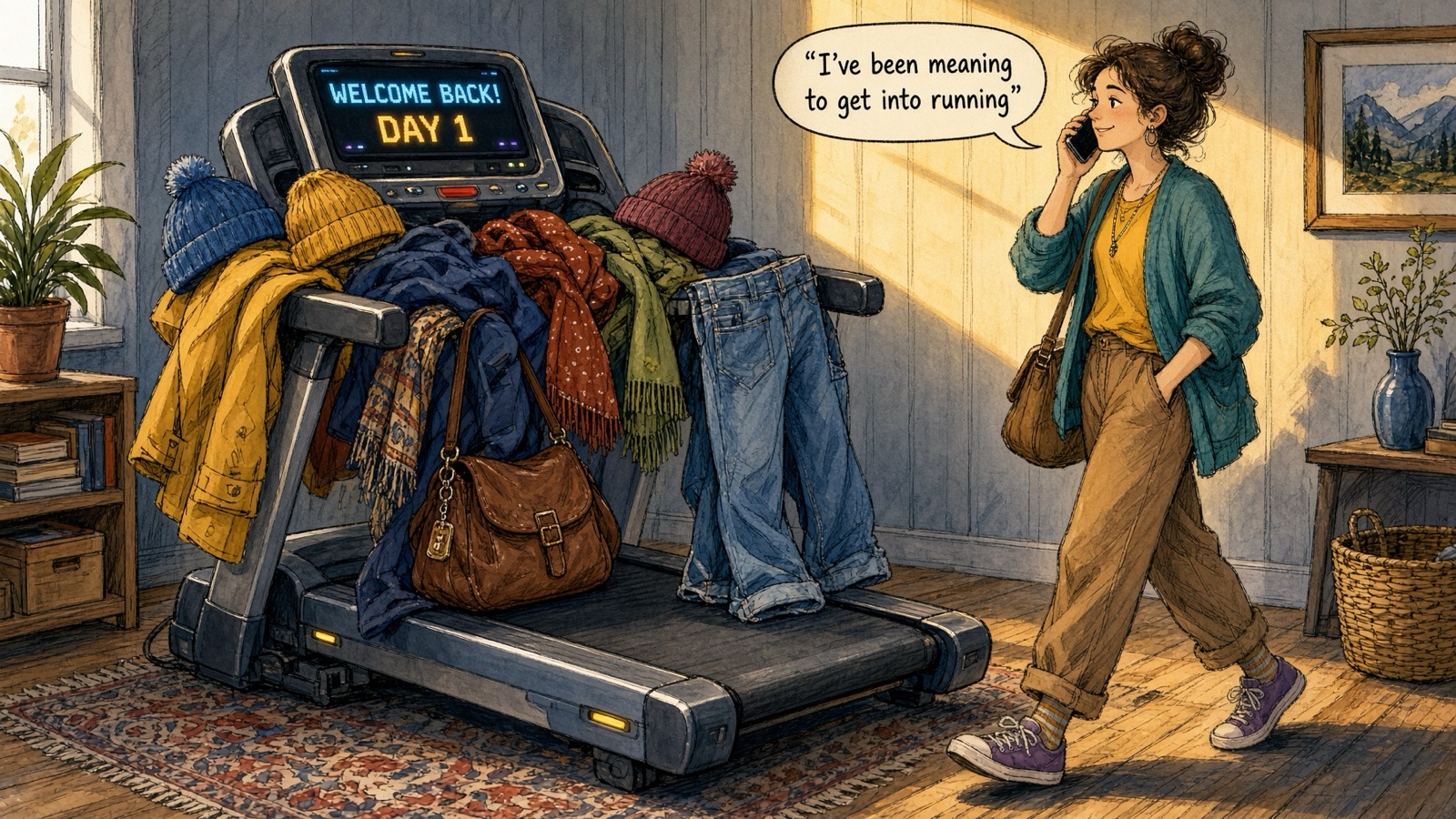
A Harajuku Moment is an epiphany that shifts your thinking or your sense of identity enough to make a real change. It's when "someday maybe" becomes "today," nice-to-haves become must-haves, and dreams become goals.
My exam hall was my Harajuku Moment. If you've already had one, bring it to mind and write down:
- What situation did you struggle with for a long time before you finally broke through?
- What was the moment that changed it all? What triggered it? What made it a must?
- What made the change last? Was it a new belief, a tool, a strategy, an insight, a new sense of identity, or an emotion you felt so strongly you knew you were never going back?
If you haven't had one yet, don't wait around for lightning to strike. You don't need a Harajuku Moment to change. But you can make one far more likely by feeding yourself the right inputs:
- Information: books, courses, conferences, talks, movies, songs, even the news.
- A change in your emotional state: inspiration, discomfort, burnout, pain.
- A change in your physical state: how you move, breathe, sleep, and eat.
That last one is the one almost everyone ignores, and it's the one I now believe matters most.
How People Actually Change: State, Story, Strategy
When I finally studied change seriously, I leaned on people much smarter and more experienced than me. Tony Robbins gave me the mindset. BJ Fogg, James Clear, Wendy Wood, and Nir Eyal gave me the practical steps. Ryan Holiday gave me the attitude.
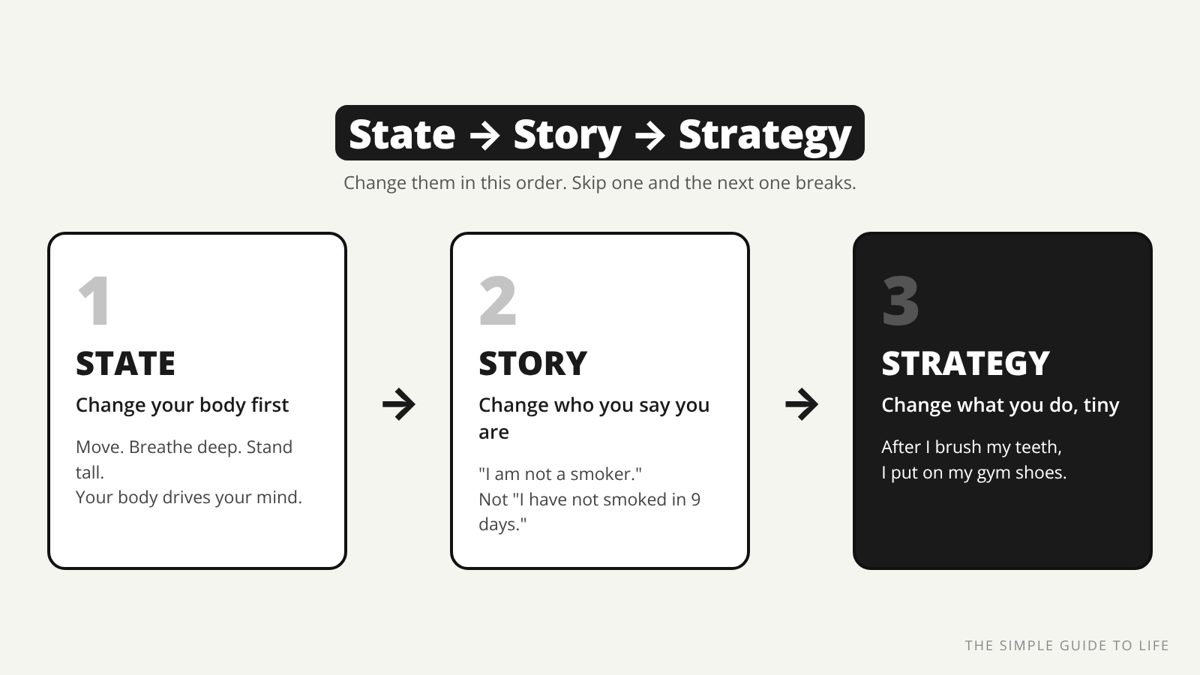
The simplest model I found is Tony Robbins' State, Story, Strategy, and the order matters:
Your state shapes what you focus on. What you focus on becomes your story. And no strategy works if your state and your story are working against you.
Change your state. Change your story. Change your strategy. Change your life.
1. State: Change Your Body First
I believe my physical and emotional state is the most important thing in my life. It informs everything else, and it's surprisingly easy to change, for better or for worse.
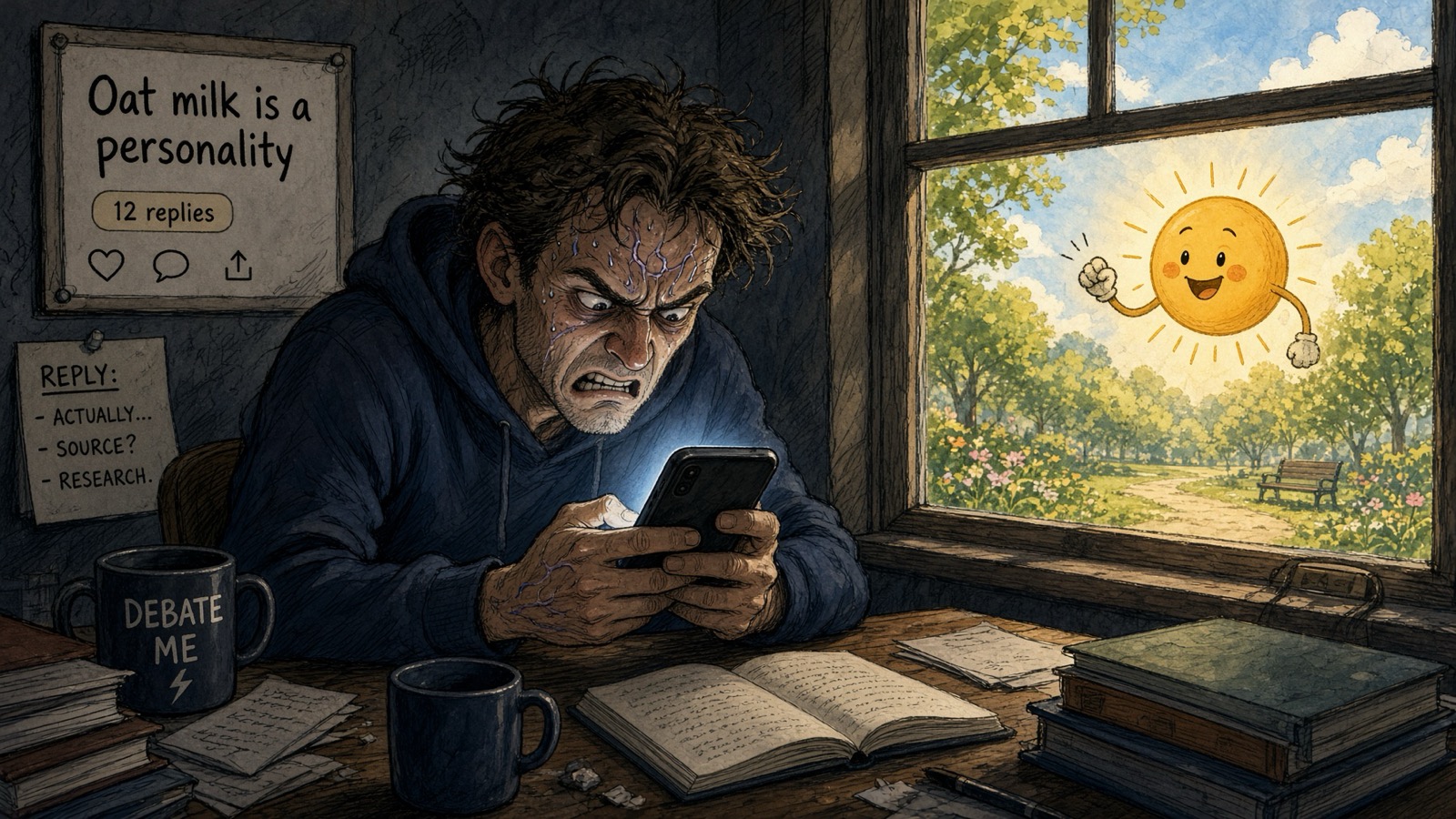
For worse, it's easy. Plenty of people, companies, and headlines are fighting for my attention with negativity, and 5 minutes of doomscrolling can wreck my state for an afternoon. You know the drill: you open your phone to check the weather and resurface 45 minutes later, furious at a stranger's opinion about oat milk. You never do find out the weather. (It was sunny. You missed it.)
For better, it's just as easy:
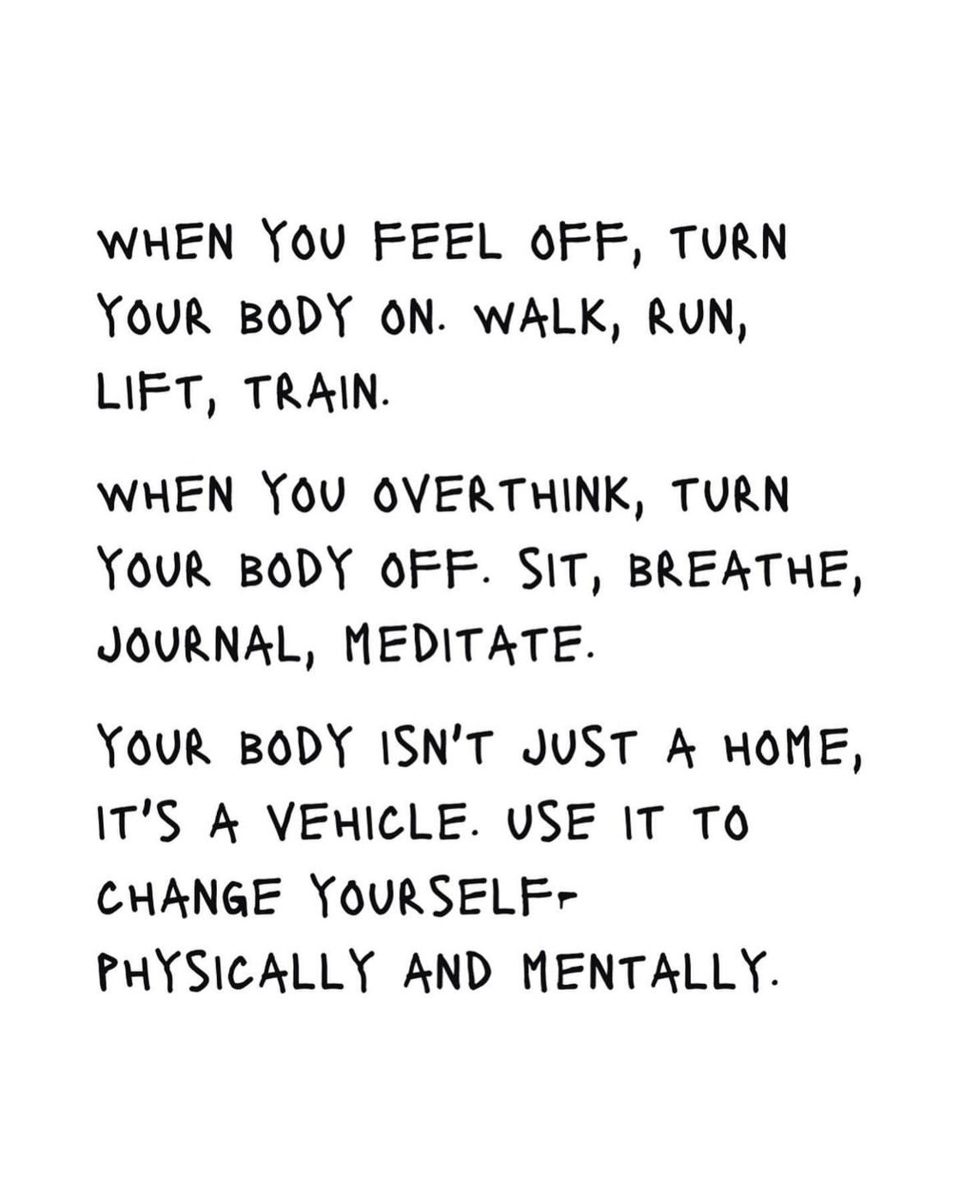
- Move my body. A walk, a few push-ups, dancing badly in the kitchen. Movement changes my biochemistry.
- Breathe deeply. A few slow breaths, all the way into my belly, changes how I feel in under a minute.
- Fix the basics. Sleep, food, water, sunlight. Not glamorous. Wildly effective.
Remember the near-drowning story from Chapter 2? When the stakes were high, my physiology forced me to be present. I don't need to nearly drown to get that effect anymore. I just need to change my body on purpose.
Try it right now. Stand up. Roll your shoulders back. Take a huge breath in through your nose, hold it, and let it all out. Stand like you're about to accept an award you actually earned. Notice how different that feels from the slumped, defeated posture most of us carry around all day. You literally cannot feel confident in a defeated posture. Your body drives your mind.
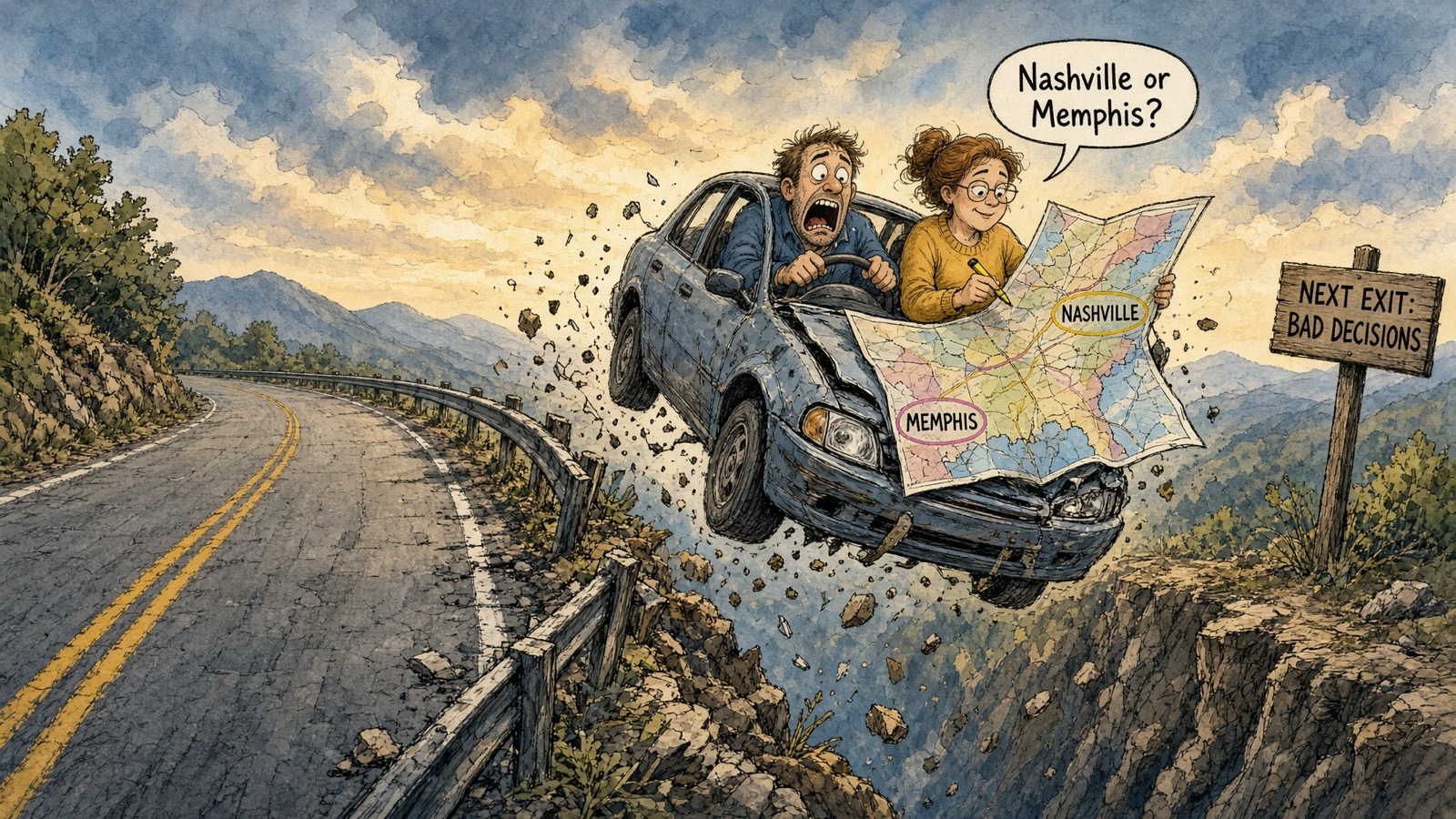
You can't design your ideal life from a burnt-out state. It's like trying to plan a road trip while you're actively crashing the car. "Should we stop in Nashville or Memphis?" Buddy, we're upside down in a ditch.
2. Story: Change Who You Say You Are
A story is just a collection of beliefs we've repeated so many times they feel like facts.
And we experience the life we focus on. When I'm angry, I focus on everything that's upsetting me and forget everything I have to be grateful for. When I'm happy, it flips. When I'm hungry, the entire universe is conspiring against me personally, starting with whoever designed the vending machine that just ate my last coin. Same life. Different story.
The stories that keep us stuck are the ones that create blind spots:
- "I've tried everything."
- "I'm not built for this."
- "I'm just a procrastinator." (Said proudly, like it's a black belt.)
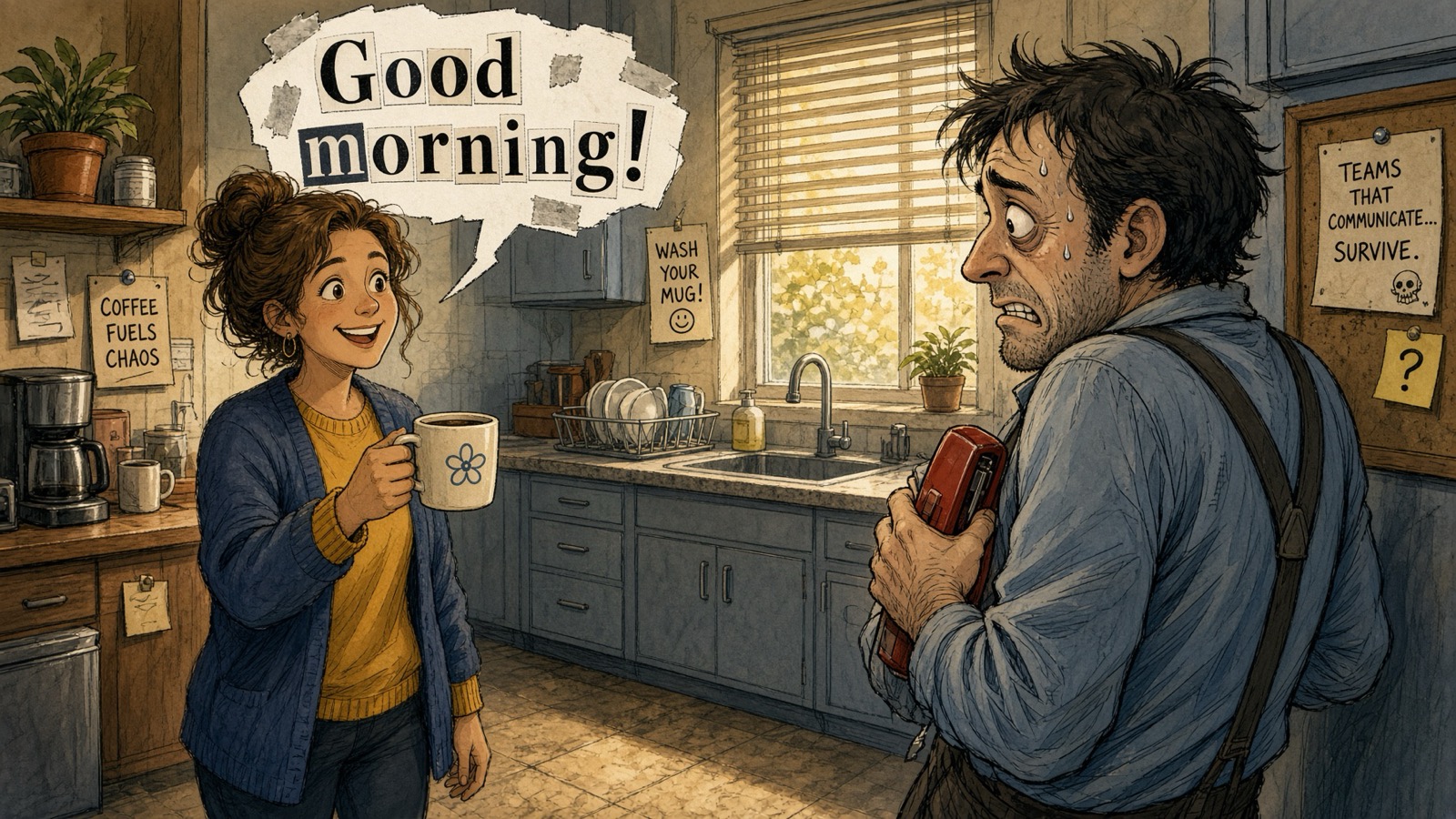
The shift that changed everything for me was going from "life is happening to me" (I'm being punished) to "life is happening for me" (I need to grow). Seek and you shall find. Once you're looking for something, positive or negative, you'll find it. Buy a red car and suddenly every car on the road is red. Decide your coworker secretly hates you and suddenly even their "Good morning!" sounds like a ransom note.
But the most important story of all is the one about who you are.
"Lasting change always requires a change in identity." Tony Robbins
The strongest force in the human personality is the need to stay consistent with how we define ourselves.
Most people judge who they are purely by their behavior. If I procrastinate often enough, my brain would rather redefine me as "a procrastinator" than feel disappointed every time I put something off. My brain changes my identity to protect me from disappointment, and then my identity keeps the behavior locked in. It's a sneaky little loop, like a cat that knocks your glass off the table and then stares at you as if you did it.
I learned this the hard way when I quit smoking.
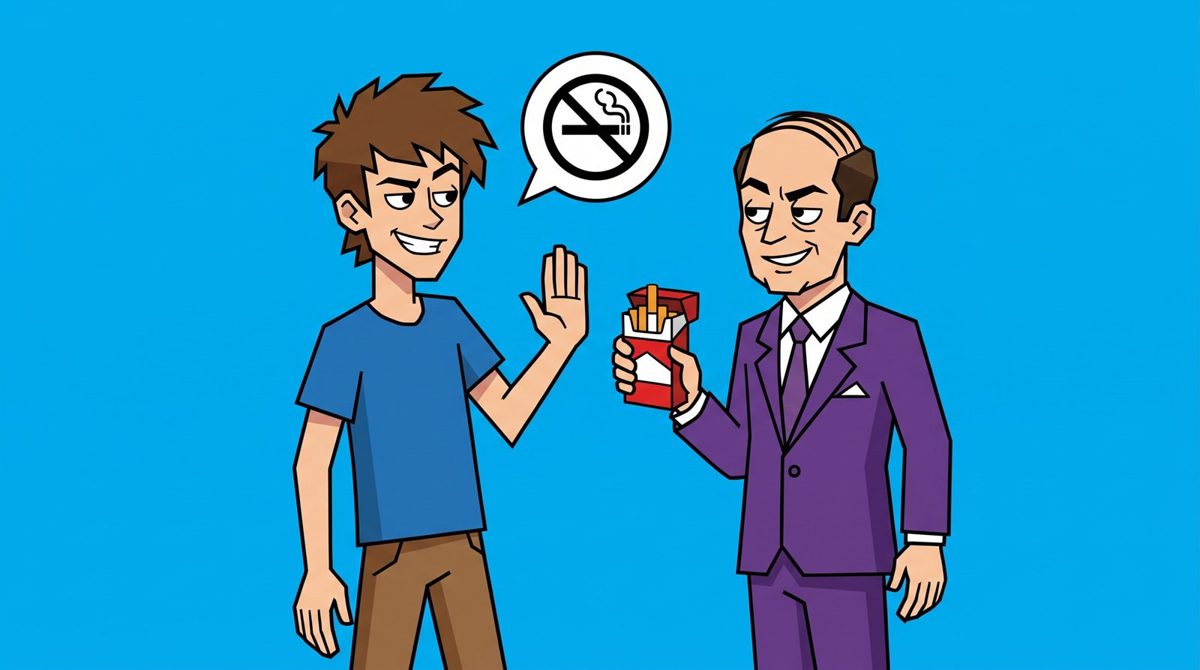
When I was trying to quit and someone offered me a cigarette, I used to say something like, "No thanks, I haven't smoked in 9 days." Sounds good, right? It isn't. Counting the days I hadn't smoked meant I was still a smoker, just one on a break. Like an ex who swears "I'm totally over you" while still logged into your Netflix. Somewhere underneath, I was expecting to go back. I hadn't changed my identity.
The day I started answering, "No thanks, I'm not a smoker," everything changed. Now the strongest force in my personality was working for me. I wanted to stay consistent with my new identity, so I did.
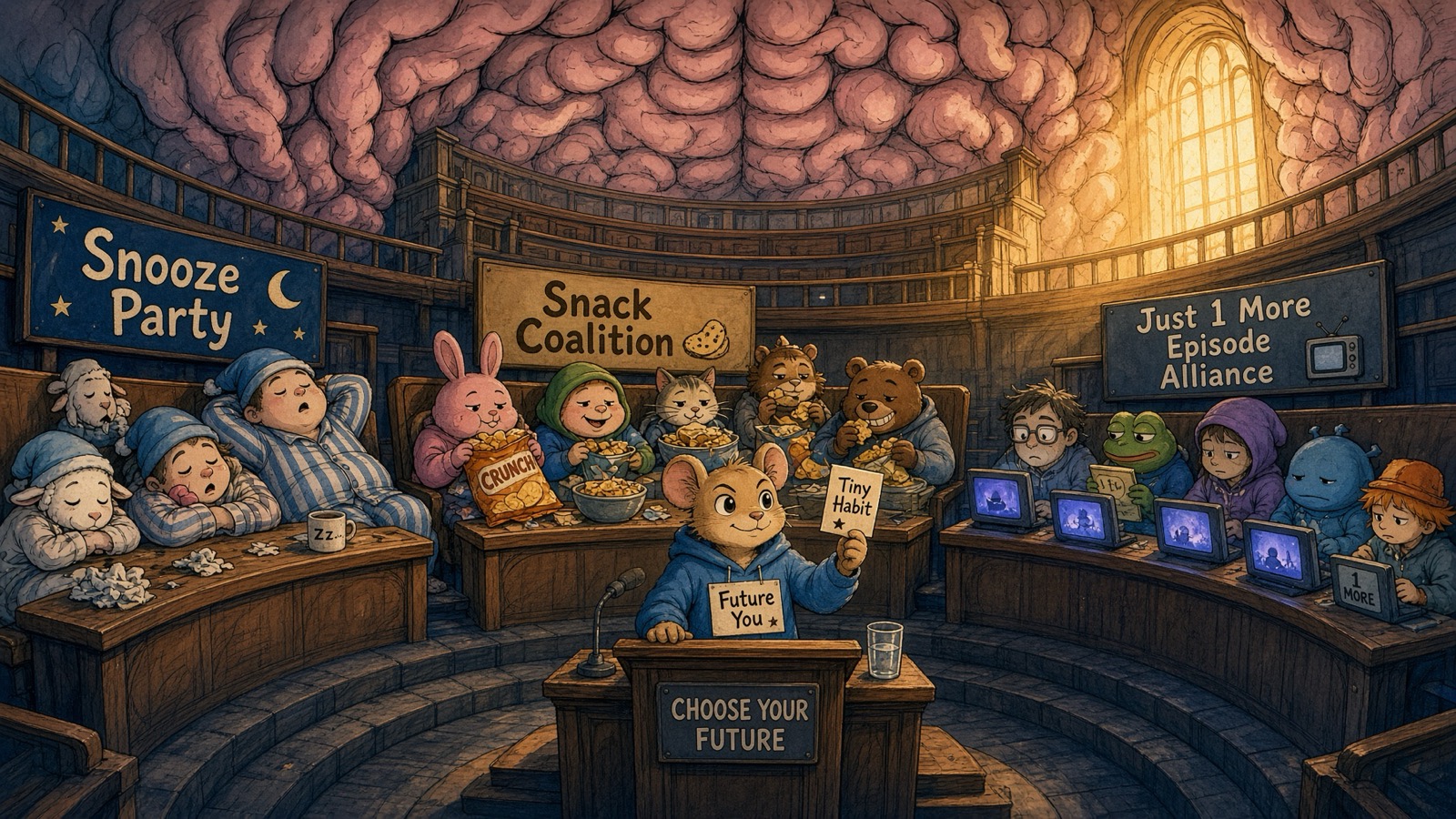
James Clear puts it beautifully in Atomic Habits: every action you take is a vote for the type of person you wish to become. You don't need a unanimous vote. You just need to win the majority. Your brain is basically a parliament, and right now the Snooze Party, the Snack Coalition and the Just 1 More Episode Alliance hold most of the seats. Time to call an election.
So I asked myself one question, and I'd like you to ask it too:
What does my identity need to be, to have the quality of life I really want?
I wrote down my answer while keeping 3 things in mind:
- Identity controls what I think and how I act. So I need to be careful which labels and habits I attach to myself.
- Whatever I normalize becomes my identity. Any belief or behavior I repeat becomes part of who I am, and then I push to stay consistent with it. We get rewarded in public for what we practice in private, consistently.
- My relationships are shaped by the identity I give other people. If I believe someone is "lazy" or "brilliant," it changes how I act around them, and often how they show up. Tell a kid they're "the funny one" and congratulations, you've just signed up for 18 years of fart jokes at dinner.
Anything I attach the words "I am" to, that I do consistently enough, intensely enough, and emotionally enough, I will become.
3. Strategy: Change What You Do (Absurdly Small)
Once your state and story are pointed in the right direction, you need a strategy. There's always a new strategy to try. But don't fall into the tyranny of how. Get clear on what you want and why first, which is exactly what Chapters 1 through 3 were for. Martin Luther King Jr. didn't give an "I have a 12-step implementation plan" speech.
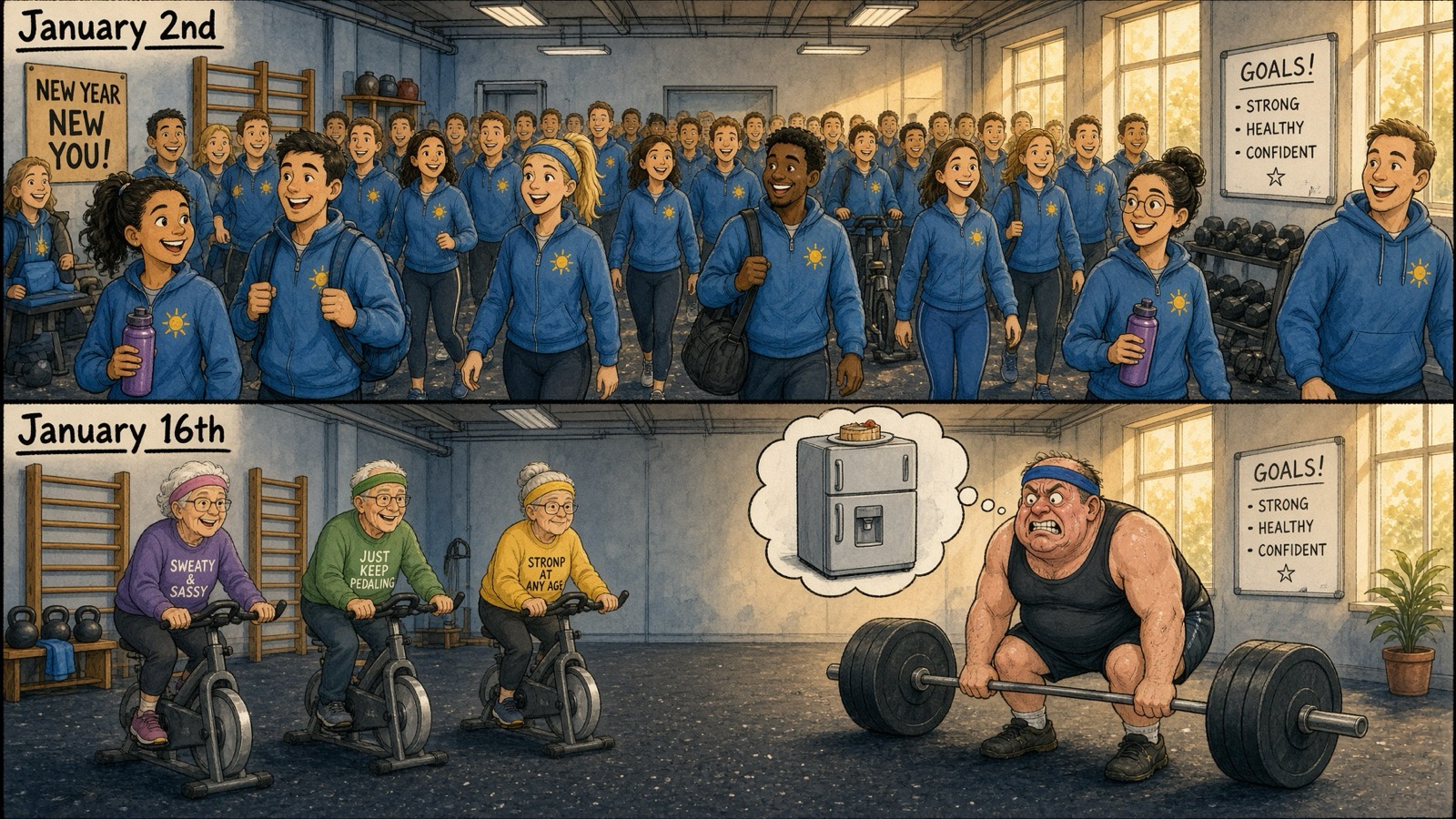
Here's where most people blow it: they try to change everything at once. New diet, new workout plan, new morning routine, new me, all starting Monday. See every New Year's resolution ever. By the 2nd week, the river pulls them right back in, and the gym goes back to its natural population: 3 retirees and 1 guy grunting like he's giving birth to a refrigerator.
The science says do the opposite.
BJ Fogg's Tiny Habits changed how I build every habit:
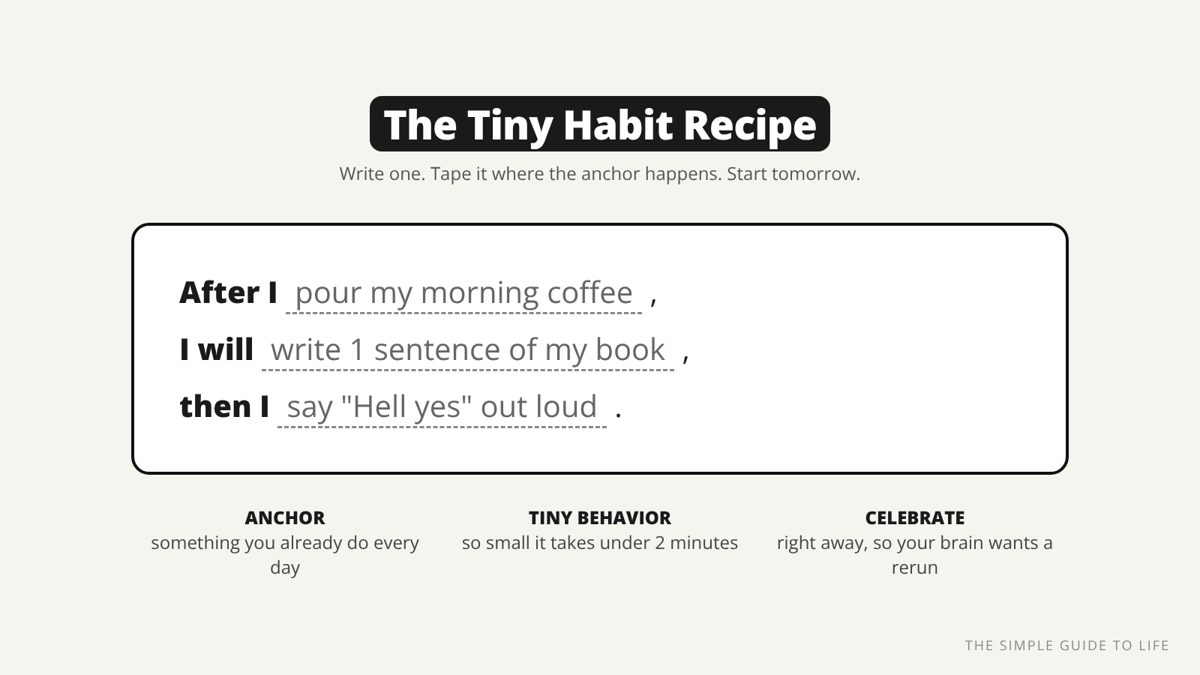
- Start absurdly small. "Put on my gym shoes after I brush my teeth" small. Not "go to the gym for an hour." So small you can't fail, even on your worst day.
- Anchor it to something you already do. Your brain loves patterns, so attach the new behavior to an existing routine and let your lazy brain do the remembering for you.
- Celebrate immediately. A fist pump, a "hell yes," a little dance. It feels ridiculous. Do it anyway. Picture celebrating flossing 1 single tooth with the kind of knee-slide usually reserved for World Cup finals. Your neighbors will stop making eye contact with you. Worth it. The good feeling is what wires the habit in and makes your brain want a rerun.
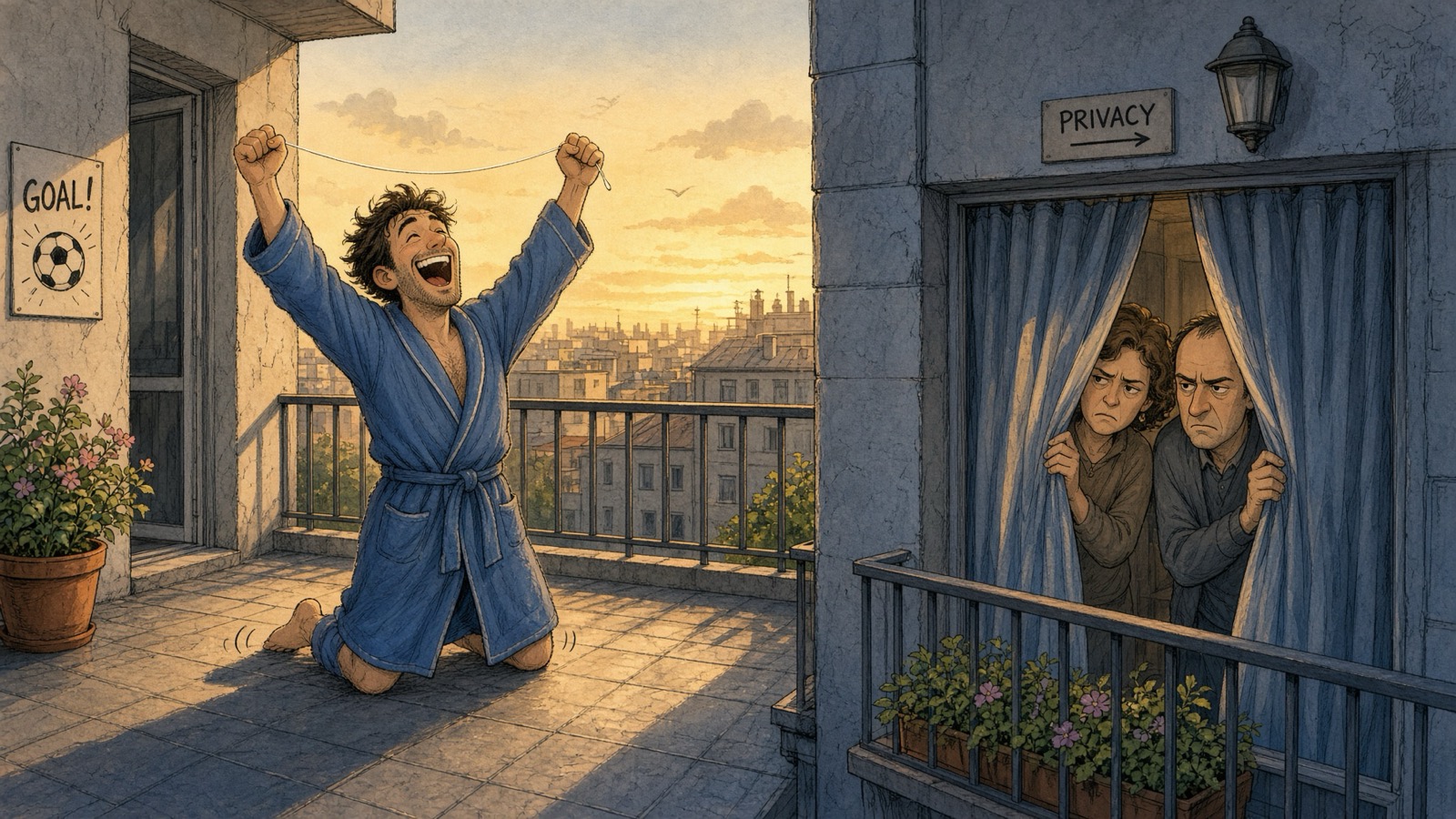
James Clear's Atomic Habits gave me the rest of the toolkit:
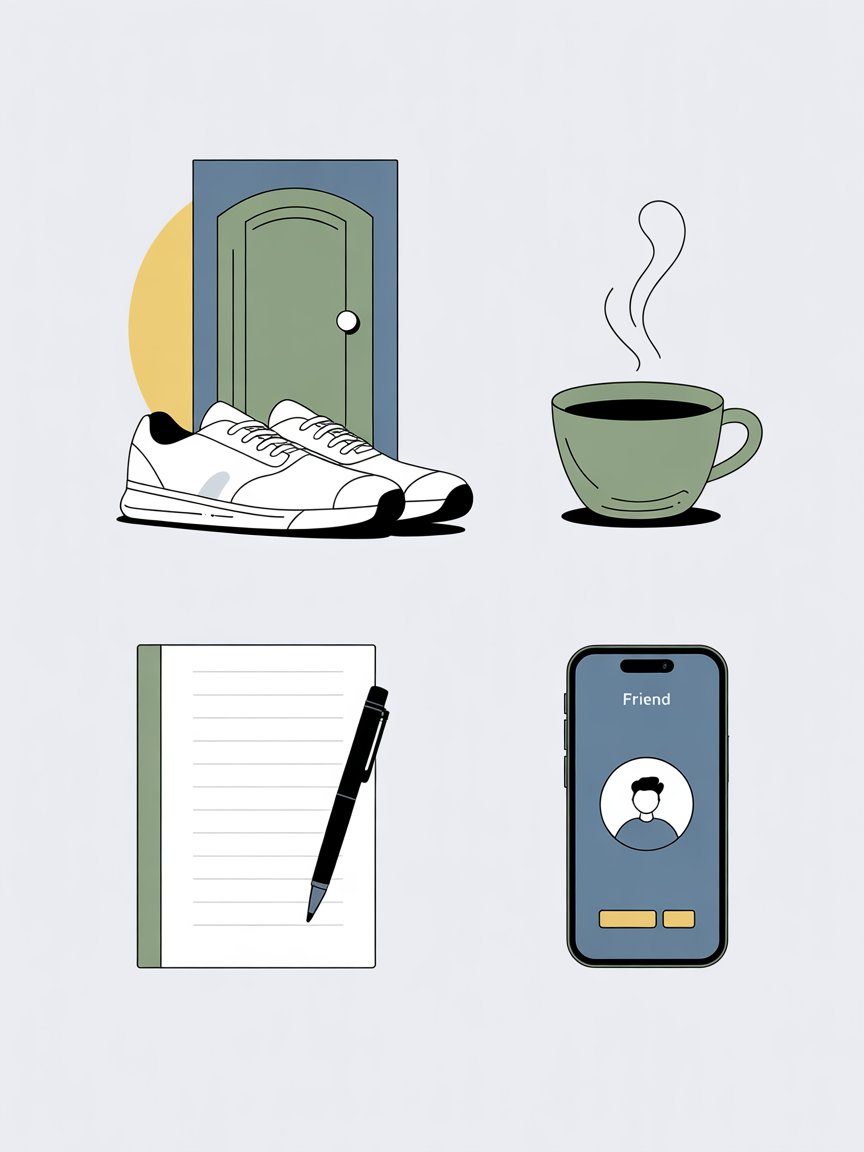
- Habit stacking: "After my morning coffee, I will write 1 sentence of my book."
- Environment design: make good habits obvious and easy, bad habits invisible and hard. Healthy food on the counter. Phone in another room.
- The 2-minute rule: any new habit should take less than 2 minutes to start. You can always do more. You just can't skip the start.
- Track it: a simple checkmark on a calendar. Don't break the chain. And if you miss once, never miss twice.
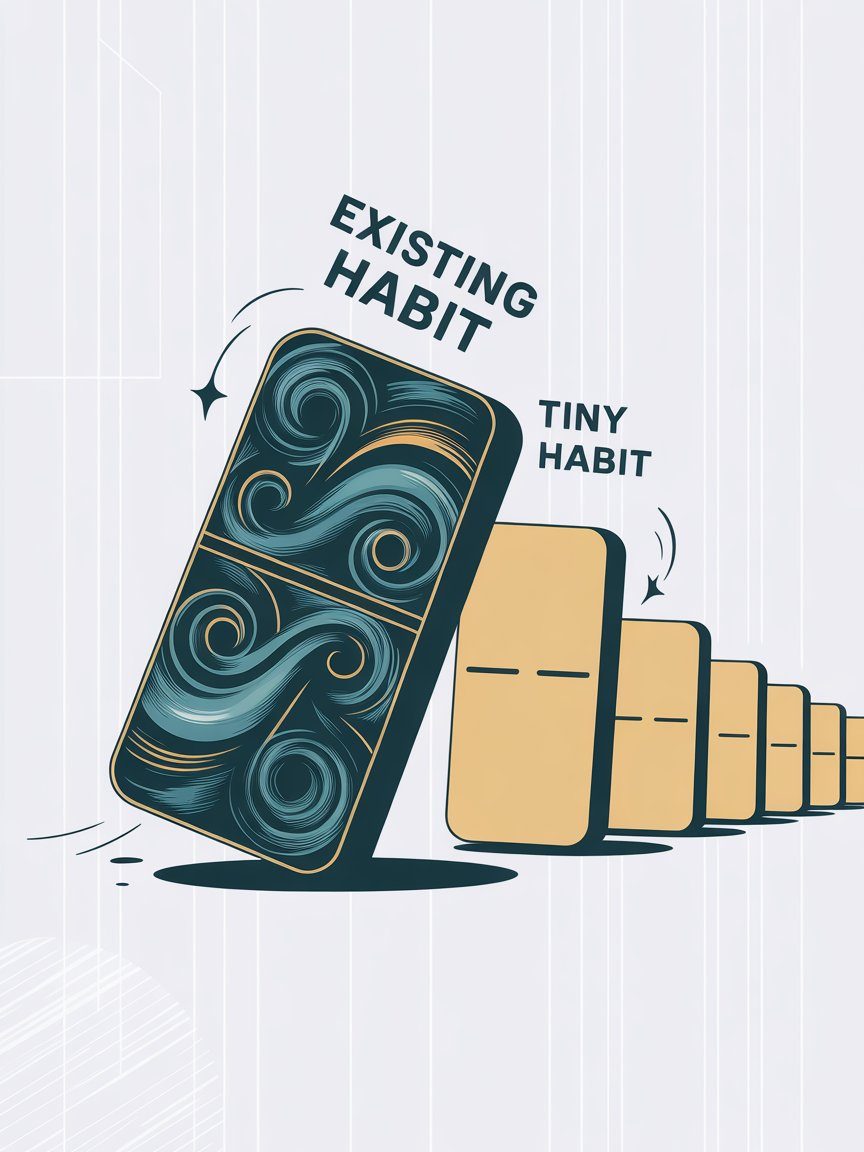
1% improvements compound into massive changes over time, but only if you don't quit in week 2.
The Obstacles (Because There Are Always Obstacles)
After the dopamine high of walking out of that exam wore off, I hit every obstacle in the book. Here's what tripped me up, and what got me back on my feet:
- "I don't have the willpower." Neither do I. My willpower has the structural integrity of a wet paper bag at a pizza party. That's why I design my environment instead of relying on willpower. Wendy Wood's research on habits convinced me that much of what we do every day happens on autopilot, so the job is to make the autopilot point somewhere good.
- "I keep getting distracted." Nir Eyal taught me that distraction usually starts on the inside: we reach for our phones to escape an uncomfortable feeling. Boredom, anxiety, a hard email, the vague existential dread of a Tuesday afternoon. Notice the feeling, name it, and plan your day in time blocks so you know what "traction" looks like before distraction knocks.
- "I fell off. I guess I'm just not that kind of person." That's your old story talking. Missing a day is data, not a verdict. Nobody gives up brushing their teeth forever because they forgot once after a wedding. Get back on the next day.
- "Everything went wrong and now I can't change." Ryan Holiday's The Obstacle Is the Way flipped this for me. The thing blocking the path can become the path. Every setback is practice for the person you're becoming. Think of it as the tutorial level. Annoying, yes, but nobody beats the final boss without first getting killed by a slightly aggressive mushroom.
- "Nobody around me gets it." Find people who do. Share your goals with a friend, a coach, or a community. Accountability turns "I'll try" into "I said I would."
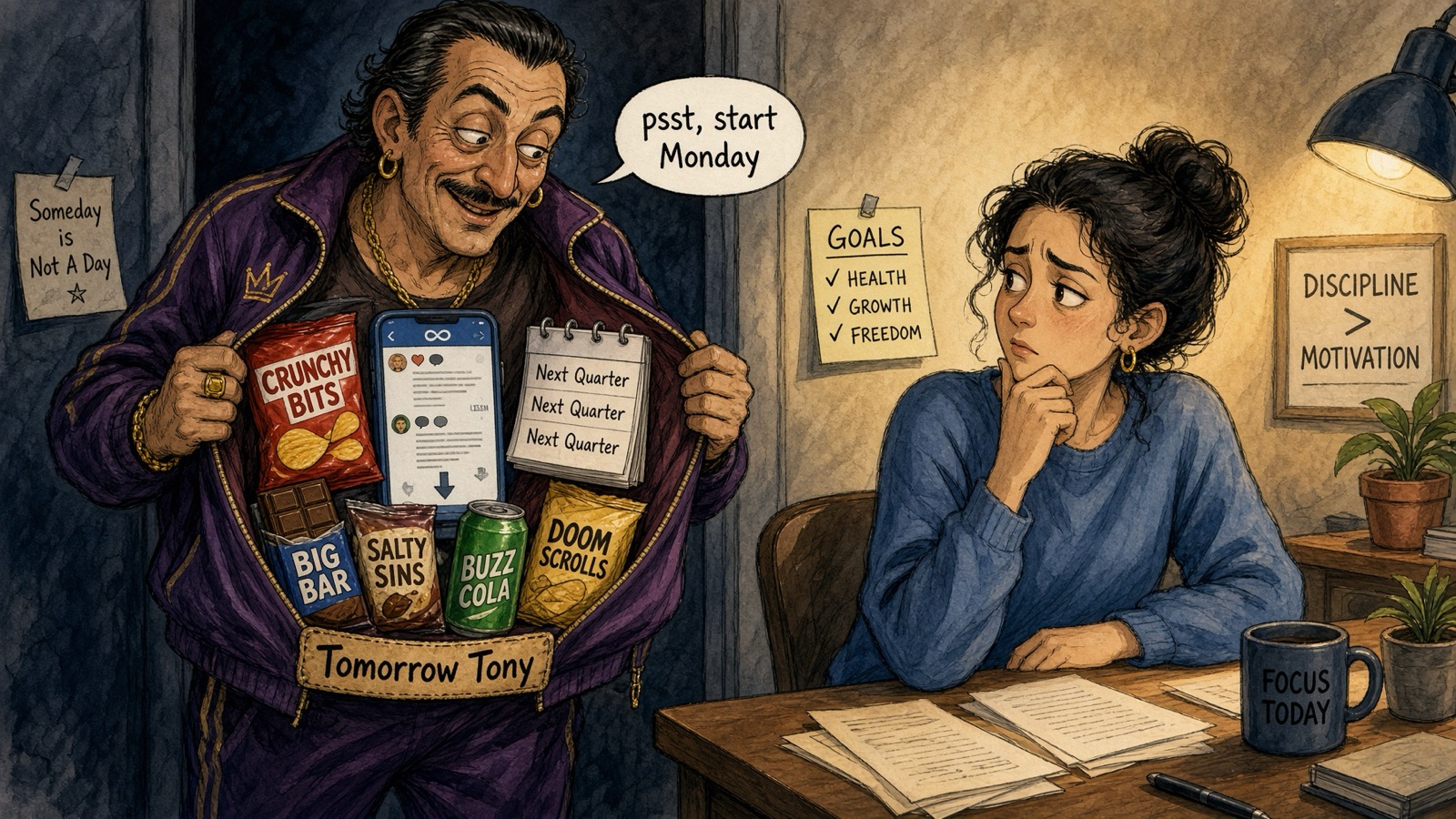
And whenever Tomorrow Tony, that little voice who promises everything will be different "starting next quarter," shows up with a snack, a scroll, or a perfectly reasonable excuse to quit? Politely decline. You're in charge, not Tony. Tony has never finished anything in his life: not his gym membership, not his Duolingo streak, and definitely not the screenplay he's been "basically done with" since 2019.
The Resources
Ultimately, as always, it was people much smarter than me who showed me how to make change last. Here are the best resources I've found, in order. I highly recommend going through each of them directly:
- Atomic Habits | James Clear
- Forget big change, start with a tiny habit | BJ Fogg at TEDxFremont
- The Secret Habits That Control Your Life | Wendy Wood
- Indistractable | Nir Eyal
- The Obstacle Is the Way | Ryan Holiday
- Ego Is the Enemy | Ryan Holiday
- Tony Robbins on identity and lasting change (the identity section starts around 7:02)
Here's How I Used the Resources
- I changed my state every morning before doing anything important. Movement, deep breathing, and sunlight before screens. On the days I skip it, I notice. Everything else in this chapter works better when my state is right.
- I rewrote my identity, in writing. I wrote the "I am" statements of the person who would live the life I described in Chapter 1. Not "I want to be healthy." "I am someone who moves every day." Then I started casting small votes for that person.
- I made every new habit tiny and anchored it. Gym shoes after brushing my teeth. 1 sentence after my morning coffee. 1 text to a friend when I walk out the door for lunch, even if it's just "hey, what's up."
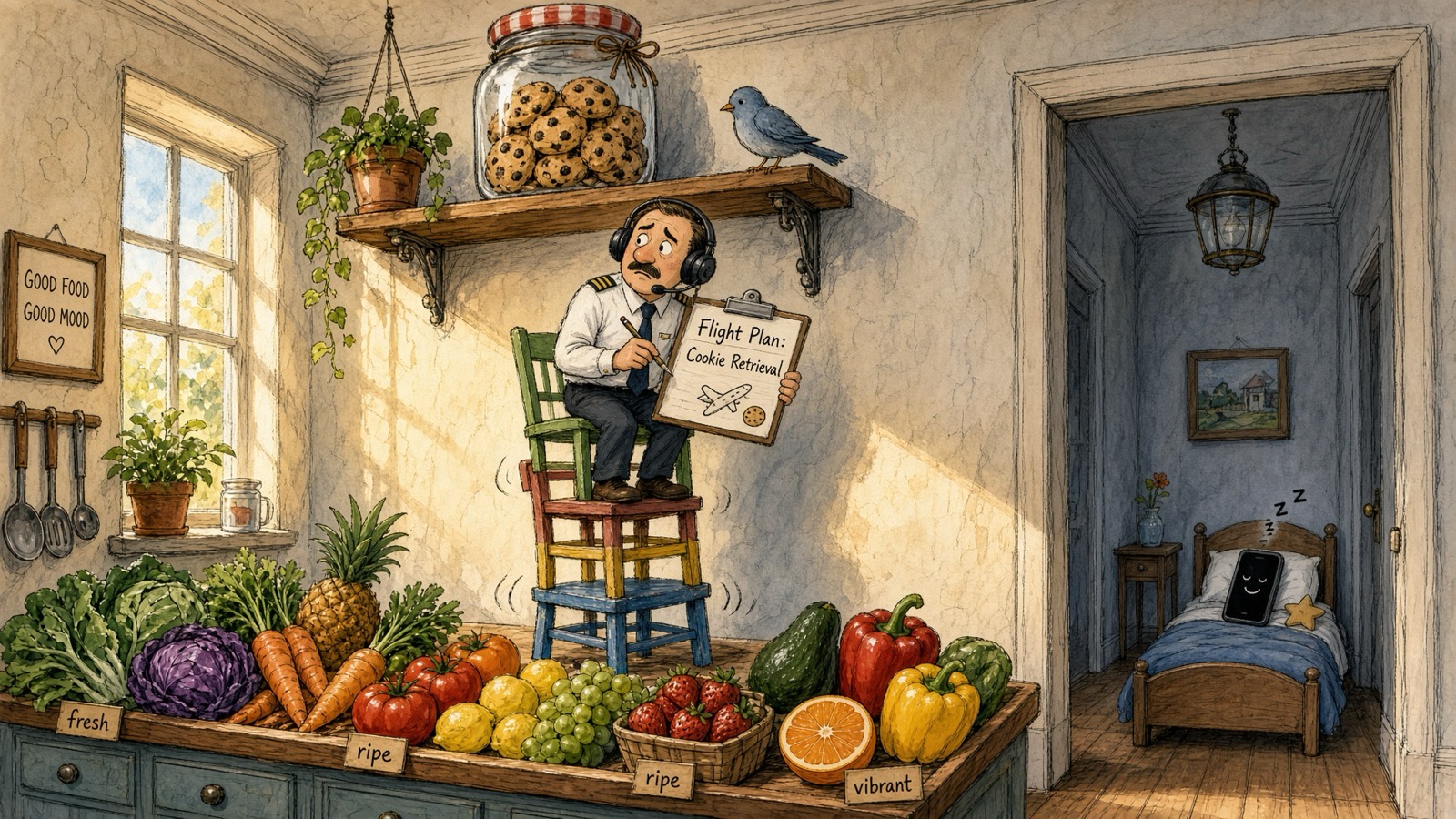
- I designed my environment so the right choice was the obvious choice, and the wrong choice took effort. My phone sleeps outside the bedroom. (It has its own little charging spot in the hallway. We're not monsters.) Healthy food lives at eye level, and the cookies live on a shelf so high I'd need to file a flight plan to reach them.
- I celebrated every tiny win, even when it felt silly, and tracked my streaks so I could see the votes piling up.
- When I fell off, I treated it as a problem to solve, not proof of who I am. What triggered it? What's the real root cause? What's the smallest fix? Then I got back on.
After I learned how to break bad habits, build good ones, and keep them going, everything changed. I reached the goals I set for myself: starting a business, traveling the world, getting healthy, and continuing to learn and grow as much as I could.
Your Turn: 1 Tiny Change, Today
Don't close this tab and add "change my life" to the someday maybe drawer. Do this instead, right now, in under 3 minutes:
- Change your state. Stand up, shoulders back, 3 deep breaths.
- Write 1 "I am" statement for the person you want to become. Present tense, no "trying to."
- Write 1 tiny habit recipe: "After I _____, I will _____, then I _____." Make it so small it's almost embarrassing.
- Tape it where the anchor happens. Bathroom mirror, coffee machine, front door.
Then share it in the comments. Saying it out loud is the first vote.
What Comes Next
With my habits finally running on autopilot, I'd checked off most of the big goals on my list. But 2 pieces were still missing: building lasting, loving relationships, and setting my happiness on something like a reliable cruise control, so I'd feel happy, meaningful, and fulfilled every day, not just when I hit the next milestone.
Because it turns out you can change everything about your life and still be a sad pancake.
That brings us to the last, and arguably the most important, chapter of this guide: Happiness.
Your Next Tiny Step
You've just read a whole chapter about why change doesn't stick. So here's the deal: if you want this to stick for the next 14 days, and the next 14 years, you need either the discipline of a Shaolin monk OR just a cadence and a partner.
That's why I created Simple Guide: so you'll always have that partner, accountability, and a clear next step.
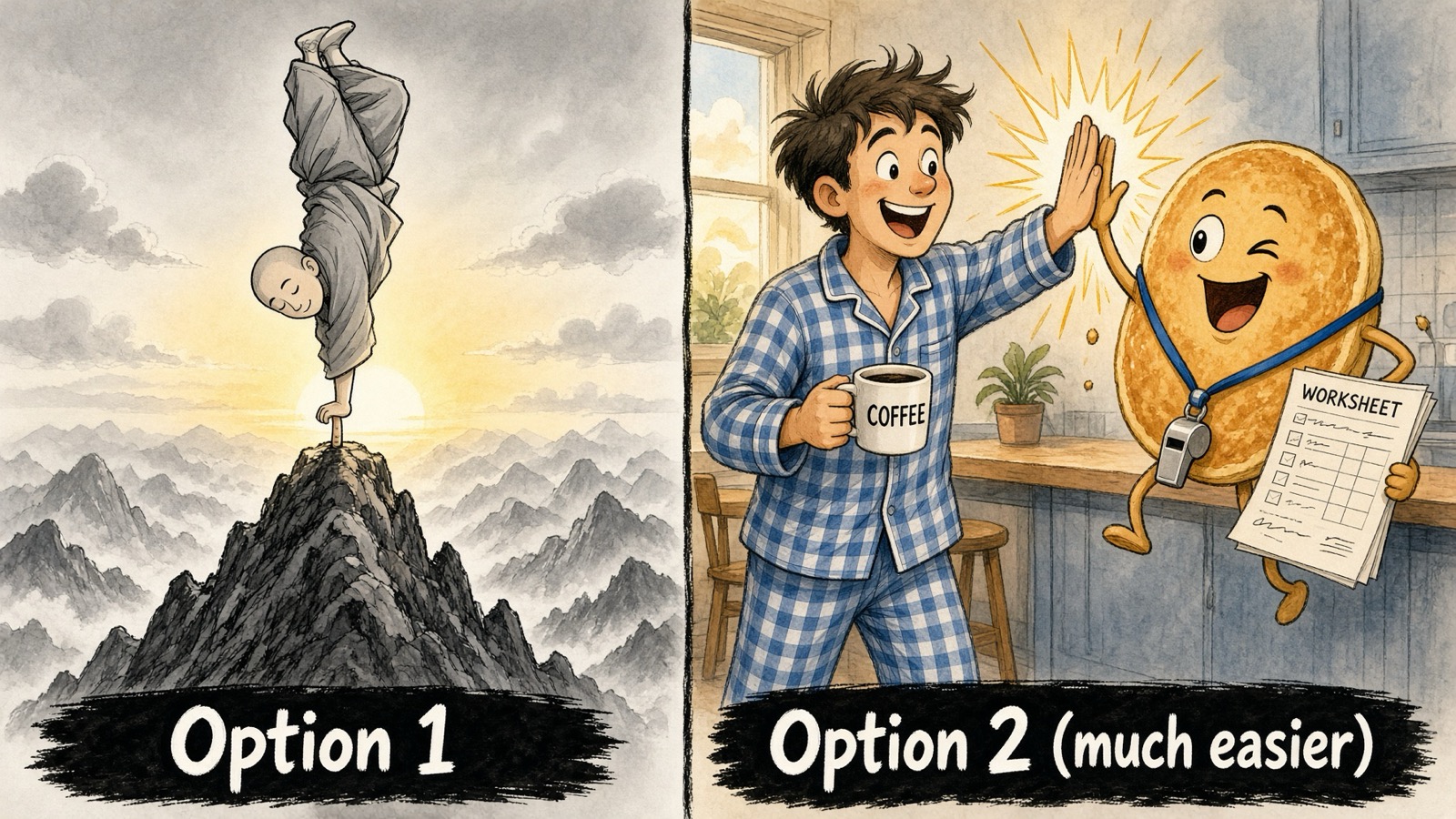
Step 1: Download the free 20 Minute Burnout Worksheet. It takes about 20 minutes, a pen, and your honest attention. You'll name what's actually draining you, sort it into the part you can fix and the part only your job's shape can fix, and pick the 1 thing to change first. That's exactly where your new tiny habit should aim.
Step 2: Book a call with me. We'll map your values, redesign your goals, and craft your next steps, together. Consider me your partner against Tomorrow Tony. It's the same process that got Karla, Alessandro and Andrea jumping out of bed to tackle goals that make them feel alive, instead of the snooze, scroll, repeat routine.
Compared to 80,000 hours of potential regret, 1 worksheet and 1 conversation are a rounding error in your life's investment portfolio.
Because those boxes on the life-in-weeks chart don't wait for anyone.
So take that 1 tiny step today.
This is Chapter 4 of The Ultimate Simple Guide To Life (That Actually Helps You).
- Introduction
- Chapter 1: Goals
- Chapter 2: Time
- Chapter 3, Part 1: Fear
- Chapter 3, Part 2: Fear-Setting
- Chapter 4: Change (you are here)
- Chapter 5: Happiness